
Your Toronto home’s walls take a beating every day, and knowing when they need professional attention can save you from costly repairs down the road. This guide is for Toronto homeowners who want to spot drywall problems early and understand when DIY fixes won’t cut it. Below well walk you through 9 Telltale Signs Your Drywall Needs Repair or Retaping in Toronto Homes
Drywall issues rarely fix themselves. Small cracks become gaping holes, minor water stains turn into mold problems, and what starts as peeling paint can signal serious structural concerns. You’ll learn to identify the warning signs that demand immediate action, spot water damage before it destroys your home’s integrity, and recognize when surface problems point to bigger issues lurking behind your walls.
We’ll also cover how hardware failures compromise your wall quality and why that daily wear and tear adds up faster than you think. By the end, you’ll know exactly when to call the professionals and when you might tackle a repair yourself.
Structural Damage and Settling Issues That Require Immediate Attention
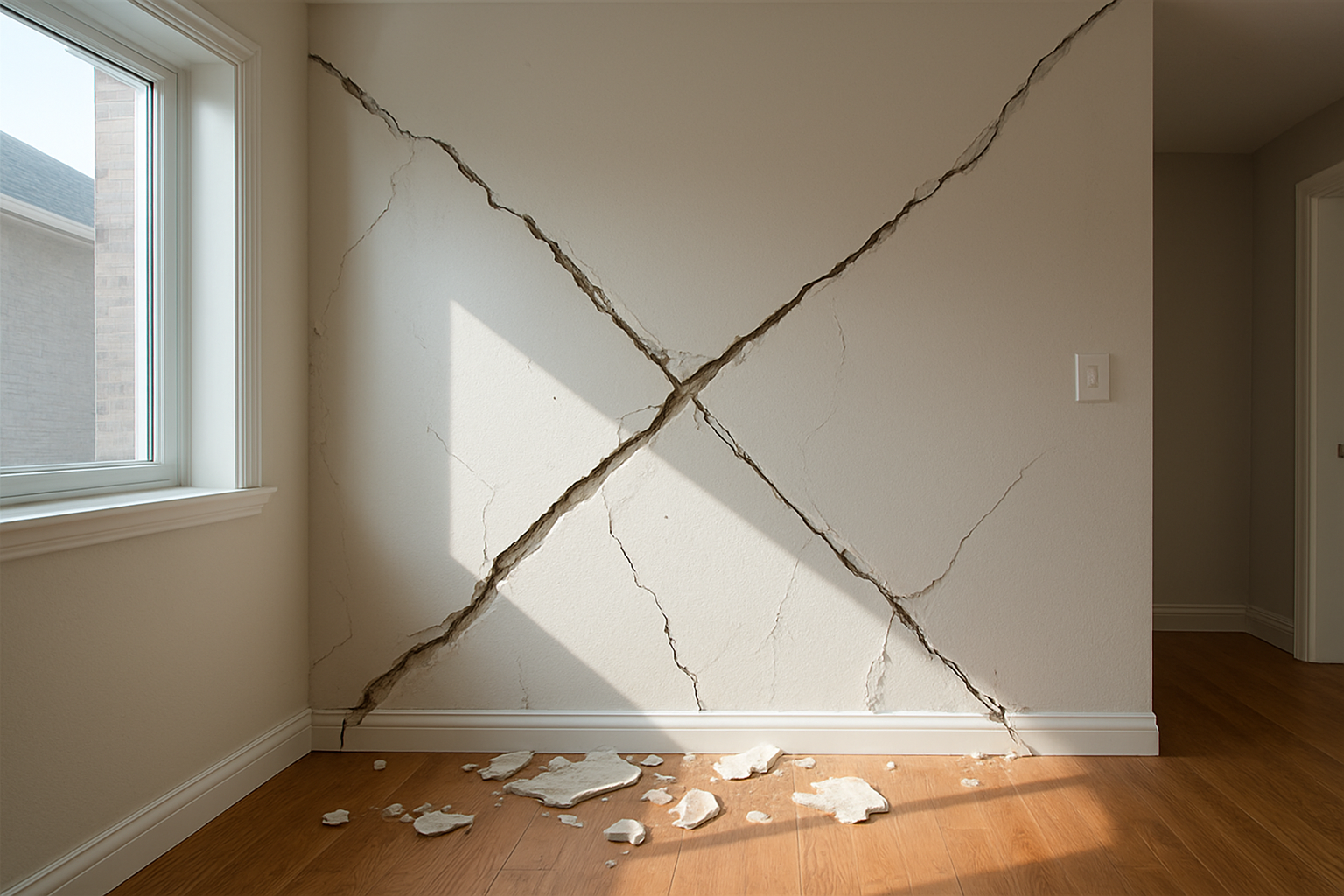
Visible Cracks and Holes from Impact or Foundation Movement
When examining your Toronto home’s drywall, you’ll need to pay close attention to visible cracks and holes, as these are clear indicators of underlying problems that demand immediate attention. These imperfections can stem from several sources, including structural movement, poor initial installation, or direct impact from furniture and doors. Even what appears to be minor cracking shouldn’t be dismissed, as these small fissures can progressively grow over time, ultimately weakening your wall’s overall integrity and compromising your home’s structural soundness.
You might notice small holes appearing from everyday activities, such as bumping the wall with a sharp corner of furniture during rearranging or moving. Additionally, nail holes from hanging pictures and artwork are common occurrences that can accumulate over time. While these may seem insignificant individually, they contribute to the overall deterioration of your drywall surface.
It’s important to understand that cracks can develop naturally due to normal wear and tear combined with your home’s settling process. However, distinguishing between normal settling and more serious structural issues is crucial for maintaining your home’s safety and value.
Uneven Wall Surfaces from Poor Installation or Shifting | 9 Telltale Signs Your Drywall Needs Repair or Retaping in Toronto Homes
Uneven surfaces on your walls serve as telltale signs that indicate either damaged drywall or improper installation techniques. These irregularities can significantly impact both the functionality and aesthetic appeal of your living space, making tasks like painting or wallpapering extremely challenging while negatively affecting your room’s overall appearance.
Your walls may develop uneven surfaces due to foundation shifting, which occurs as your Toronto home naturally settles over time. Additionally, moisture damage can cause drywall materials to warp and create irregular surfaces that become increasingly noticeable as lighting conditions change throughout the day. When you run your hand along the wall or observe it from different angles, these imperfections become readily apparent and indicate the need for professional repair or retaping services.
Noisy Creaking or Cracking Sounds from Inside Walls
You should be particularly concerned if you hear noisy creaking or cracking sounds emanating from inside your walls, as these auditory signs could indicate serious structural damage requiring immediate professional attention. These sounds are often caused by your house shifting and settling over time, which is a natural process but can sometimes result in significant drywall stress and potential failure.
When you notice these sounds occurring frequently or becoming more pronounced, it’s essential to have your drywall system professionally evaluated to determine the extent of any structural concerns and address them before they escalate into more costly repairs.
Water Damage Signs That Threaten Your Home’s Integrity
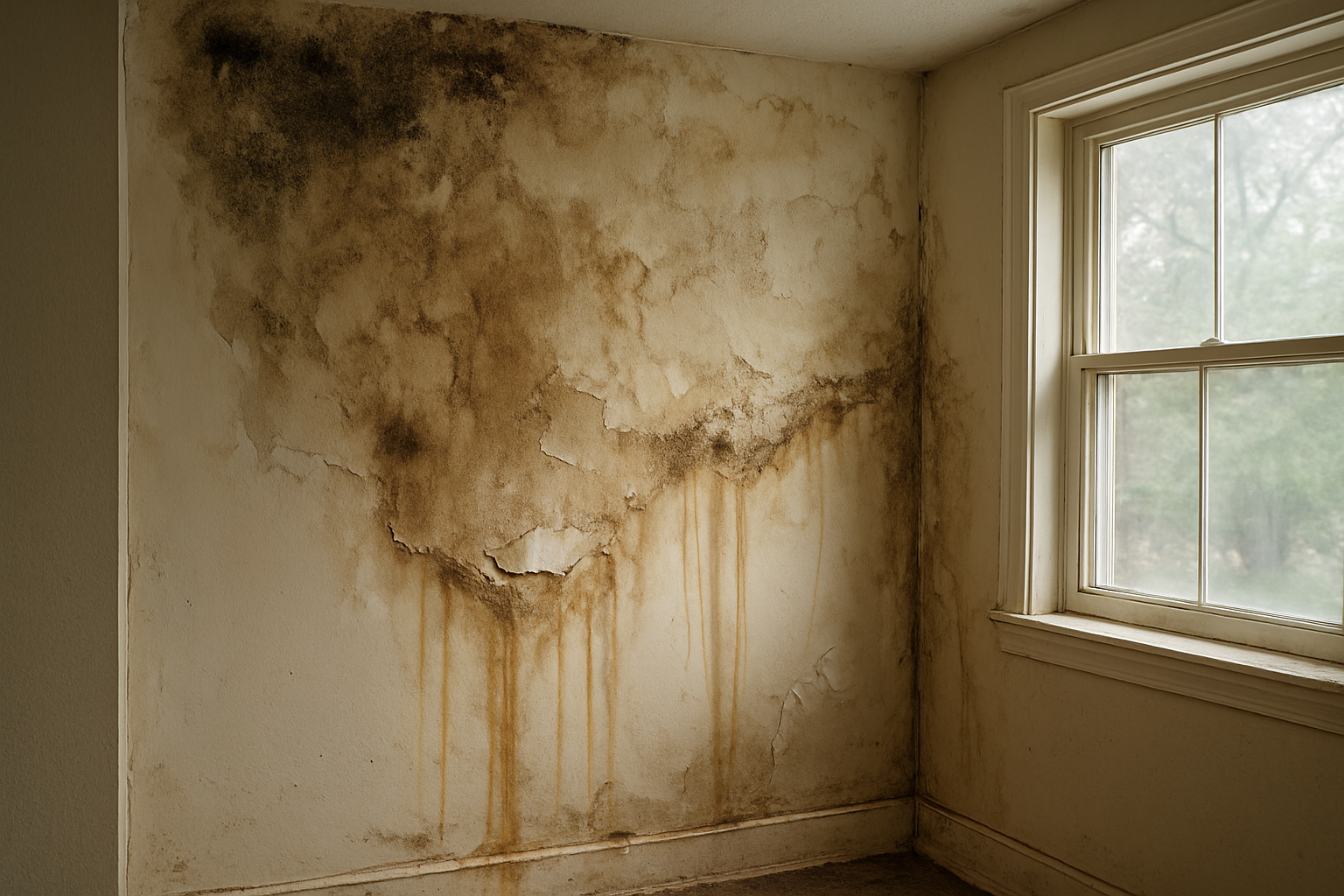
Visible Stains and Swollen Areas from Leaks
Water damage in your Toronto home often manifests through unmistakable visual cues that you shouldn’t ignore. Your drywall essentially acts like a wick, actively soaking up water from various sources including external leaks, faulty plumbing, or malfunctioning water heaters. When this absorption occurs, you’ll notice distinct signs that indicate serious underlying problems.
The most obvious indicators include visible stains that appear as discolored patches on your walls or ceiling. These stains typically present as brown, yellow, or rust-colored marks that may start small but gradually expand as the water damage continues. Alongside these stains, you’ll observe areas that appear swollen or sagging, where the drywall has absorbed so much moisture that its structural integrity has been compromised. These swollen sections often bulge outward from the wall surface, creating an uneven appearance that clearly signals water infiltration.
Soft or Spongy Wall Surfaces That Feel Damaged
Beyond what you can see, your sense of touch reveals critical information about water damage in your drywall. When you gently press against areas suspected of water damage, surfaces that feel soft or spongy to the touch are clear indicators that moisture has penetrated deep into the drywall material. This sponginess occurs because water breaks down the gypsum core of the drywall, causing it to lose its firmness and structural stability.
Mold and Mildew Growth Creating Health Hazards
Perhaps the most serious consequence of ignoring water damage signs is the inevitable development of mold and mildew growth. Mold isn’t merely an aesthetic problem—it represents a significant health hazard that often begins its growth inside damp drywall before becoming visible on your wall surfaces. When you discover mold growth, you’re dealing with a situation that requires immediate professional intervention.
Professional repair involves completely removing and replacing mold-infested sections of drywall, followed by thorough sealing and painting with specialized antimicrobial coatings to prevent future recurrence. Water-damaged drywall must be entirely replaced rather than simply patched, and you must address the underlying moisture source to prevent the problem from returning and creating ongoing health risks for your household.
Paint and Surface Problems Indicating Underlying Issues
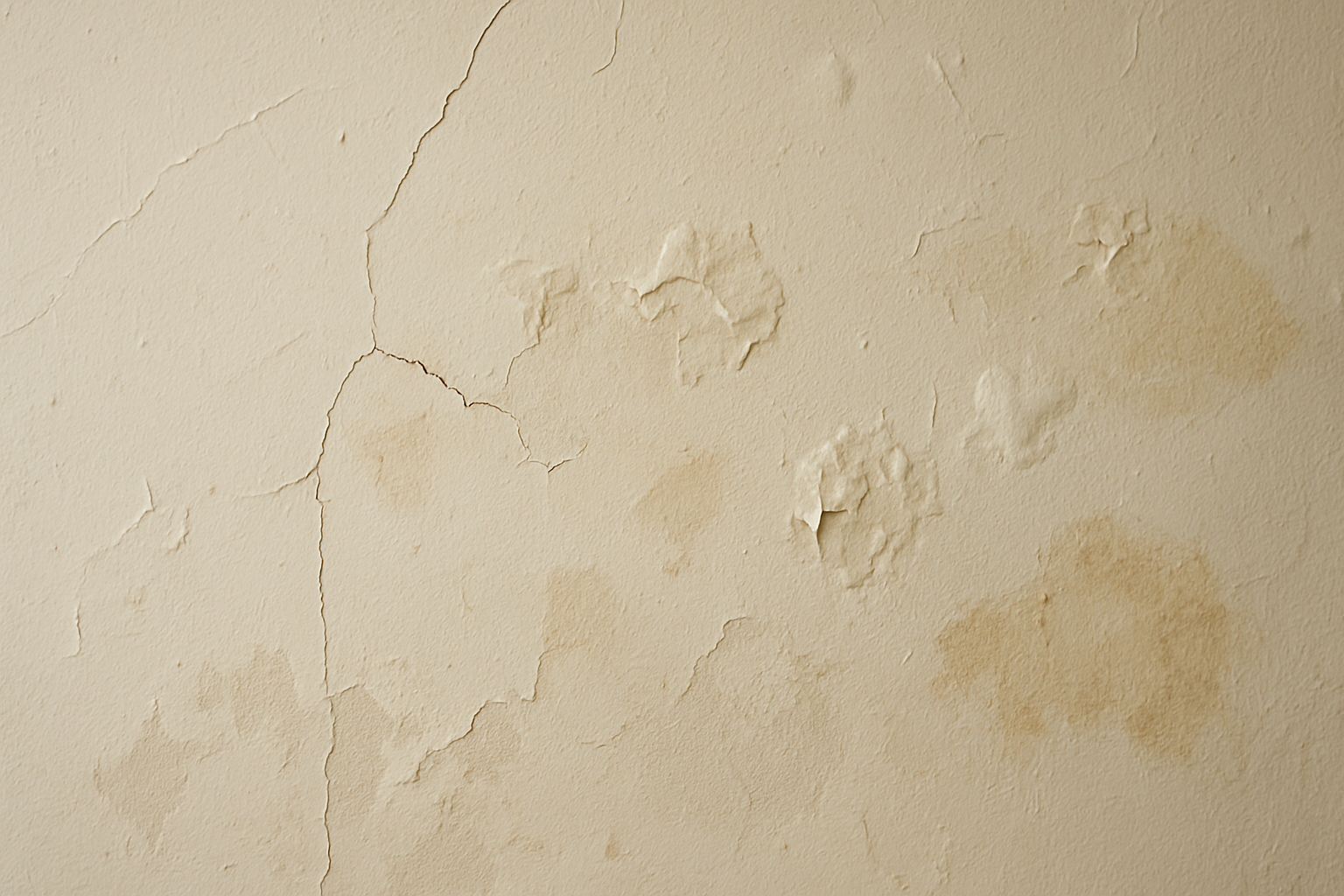
Peeling or Flaking Paint That Exposes Wall Damage
When you notice paint that bubbles, flakes, or peels on your Toronto home’s walls, this usually indicates a problem beneath the surface. Your paint failure might be due to moisture infiltration, poor surface preparation, or simply the natural aging of your wall system. Even if the cracking or peeling paint appears minor at first glance, you should recognize this as an early sign of more severe underlying problems inside your wall structure.
These surface issues can signal hidden mold growth that could affect your family’s health, or they might indicate structural damage that requires immediate attention. You cannot simply ignore these warning signs and hope they’ll resolve themselves. When you skip the proper repair step before attempting to repaint, you’ll only experience recurring paint failure, wasting both your time and money on cosmetic fixes that don’t address the root cause.
Bubbling Paint from Moisture or Poor Surface Preparation
Your bubbling paint represents one of the most concerning surface problems you can encounter in your drywall system. This bubbling typically stems from moisture issues that have penetrated behind your paint layer, or it results from inadequate surface preparation during previous painting projects. When moisture becomes trapped beneath your paint surface, it creates the perfect environment for more serious problems to develop.
You need to understand that moisture-related paint bubbling often indicates water damage that extends beyond what you can see on the surface. This hidden damage can compromise your drywall’s structural integrity and create conditions favorable for mold growth, which poses significant health risks to your household.
Outdated or Uneven Wall Finishes That Diminish Appeal
Your wall’s uneven textures or outdated colors can make your living space feel tired and dated. However, these aesthetic concerns often mask more significant underlying issues that require professional attention. You must check for surface imperfections that could affect any future painting results, ensuring your drywall provides a smooth foundation for modern, durable finishes.
When you plan to update your walls, it’s crucial to address these surface irregularities properly rather than simply covering them with new paint, which will only highlight the existing problems.
Hardware and Fastener Failures That Compromise Wall Quality
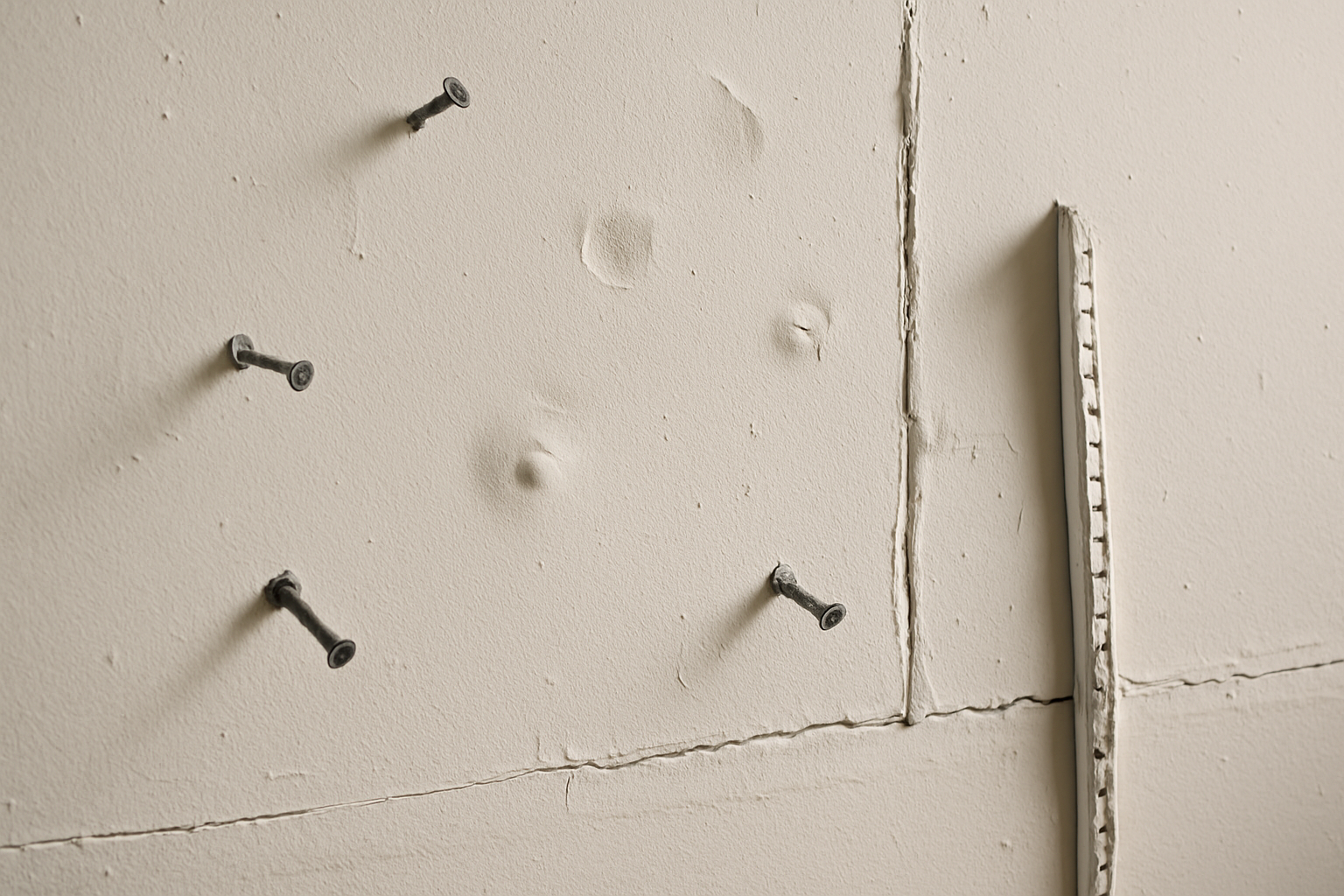
Popping Nails or Screws from Shifting Studs
When you notice nails or screws starting to pop through your drywall surface, you’re witnessing a clear indication of structural issues within your walls. This phenomenon occurs when the wooden studs behind your drywall begin to shift or move, which can happen due to natural settling of your home or poor original installation practices during construction.
The shifting of studs creates pressure that forces the fasteners outward, causing them to break through the drywall compound and paint layer. You’ll typically spot these as small, raised bumps or actual nail heads protruding from what should be a smooth wall surface. This type of damage not only compromises the aesthetic appeal of your walls but also signals that your drywall system may not be properly secured to the framing.
Visible Nail Holes from Picture Hanging and Daily Use
Your walls endure constant interaction from daily living activities, and one of the most common sources of damage comes from hanging pictures, artwork, and decorative items. Every time you hang a picture or relocate wall-mounted items, you create small punctures in your drywall that accumulate over time.
These visible nail holes represent a frequent type of drywall damage that homeowners encounter regularly. While individual holes might seem minor, they multiply quickly as you redecorate, rearrange furniture, or change your wall décor. Left unaddressed, these holes collect dust and become more noticeable, especially when lighting hits the wall at certain angles.
Unsightly Bumps That Affect Wall Smoothness
The combination of popping fasteners and accumulated nail holes creates an uneven wall surface characterized by unsightly bumps and indentations. These irregularities significantly impact the smoothness of your walls, making them appear unprofessional and poorly maintained.
When nails or screws pop through your drywall, they leave behind raised areas that disrupt the uniform appearance you expect from properly finished walls. These bumps become particularly noticeable when you apply fresh paint, as the uneven surface creates shadows and highlights that draw attention to the imperfections. The compromised smoothness affects not only the visual appeal of your rooms but also makes future painting and decorating projects more challenging and time-consuming.
Daily Wear and Tear Damage That Accumulates Over Time
Dents and Dings from Furniture and Vacuum Impacts
Previously, we’ve covered major structural issues that demand immediate professional attention. Now that we understand the more severe damage types, let’s explore how everyday activities gradually compromise your drywall’s appearance. Your home’s walls face constant challenges from routine household activities, particularly from furniture movement and cleaning equipment.
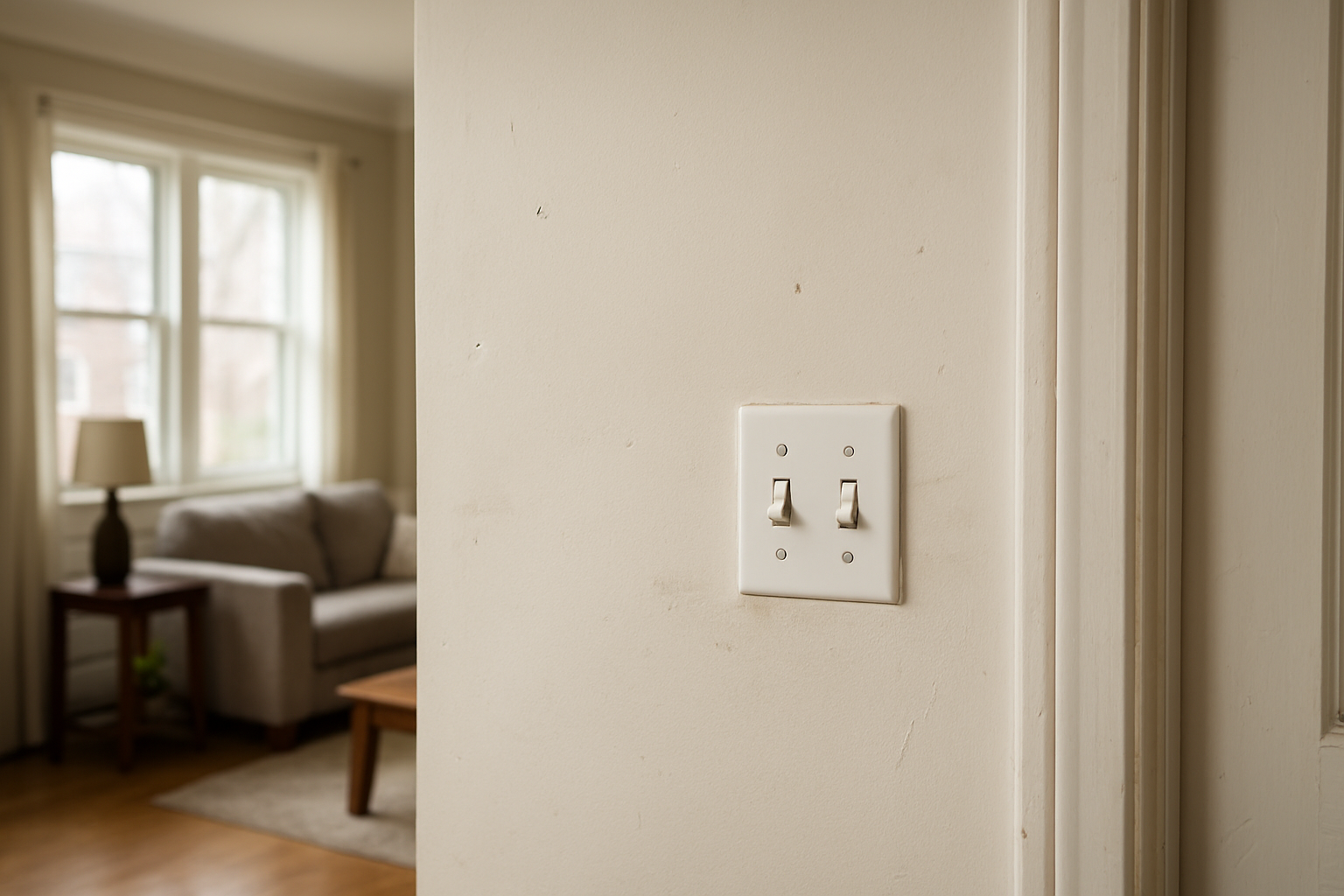
Dents and dings occur from everyday impacts such as vacuum bumps, furniture scrapes, and accidental impacts. These seemingly minor incidents happen more frequently than you might realize – every time you move a chair, roll your vacuum cleaner too close to the wall, or navigate furniture through tight spaces. Small holes can also occur if you bump the wall with a sharp corner of a piece of furniture, creating punctures that may seem insignificant initially but become increasingly noticeable over time.
Your vacuum cleaner represents one of the most common culprits for wall damage. As you maneuver around corners and along baseboards, the hard plastic edges repeatedly strike your walls, leaving behind a trail of small dents and scratches. Similarly, furniture legs, particularly those on wheeled office chairs or dining room pieces, can scrape against walls during normal use.
Scuffs and Scrapes from Normal Household Activity
With this in mind, next, we’ll examine how your daily routines contribute to wall deterioration through normal household activity. These marks accumulate gradually, often going unnoticed until they collectively create a worn, tired appearance throughout your living spaces.
The constant flow of family life creates numerous opportunities for wall damage. Every time someone carries laundry baskets down hallways, moves boxes during cleaning, or children play with toys near walls, your drywall experiences minor impacts. These everyday activities leave behind scuffs and scrapes that may appear minimal individually but compound over months and years.
Your walls particularly suffer in high-traffic areas like hallways, stairwells, and entryways where people frequently brush against surfaces or carry items that inadvertently contact the walls. Even simple actions like opening doors too quickly can cause doorknobs to strike and damage adjacent wall surfaces.
Minor Damage That Affects Overall Home Appearance
These small but noticeable damages accumulate over time and affect the overall appearance of your space. What begins as isolated marks gradually transforms into a pattern of wear that diminishes your home’s aesthetic appeal and can impact its value.
Addressing these imperfections represents a key part of maintaining beautiful interiors. While individual dents and scuffs might seem too minor to warrant attention, their cumulative effect creates an environment that appears neglected or poorly maintained. This deterioration becomes particularly apparent when natural light highlights the various surface irregularities, casting small shadows that draw attention to each imperfection.
Your walls serve as the backdrop for your entire living space, and even minor damage can detract from otherwise well-maintained rooms. Professional retaping and refinishing can restore smooth, pristine surfaces that enhance your home’s overall presentation and maintain its value in Toronto’s competitive real estate market.
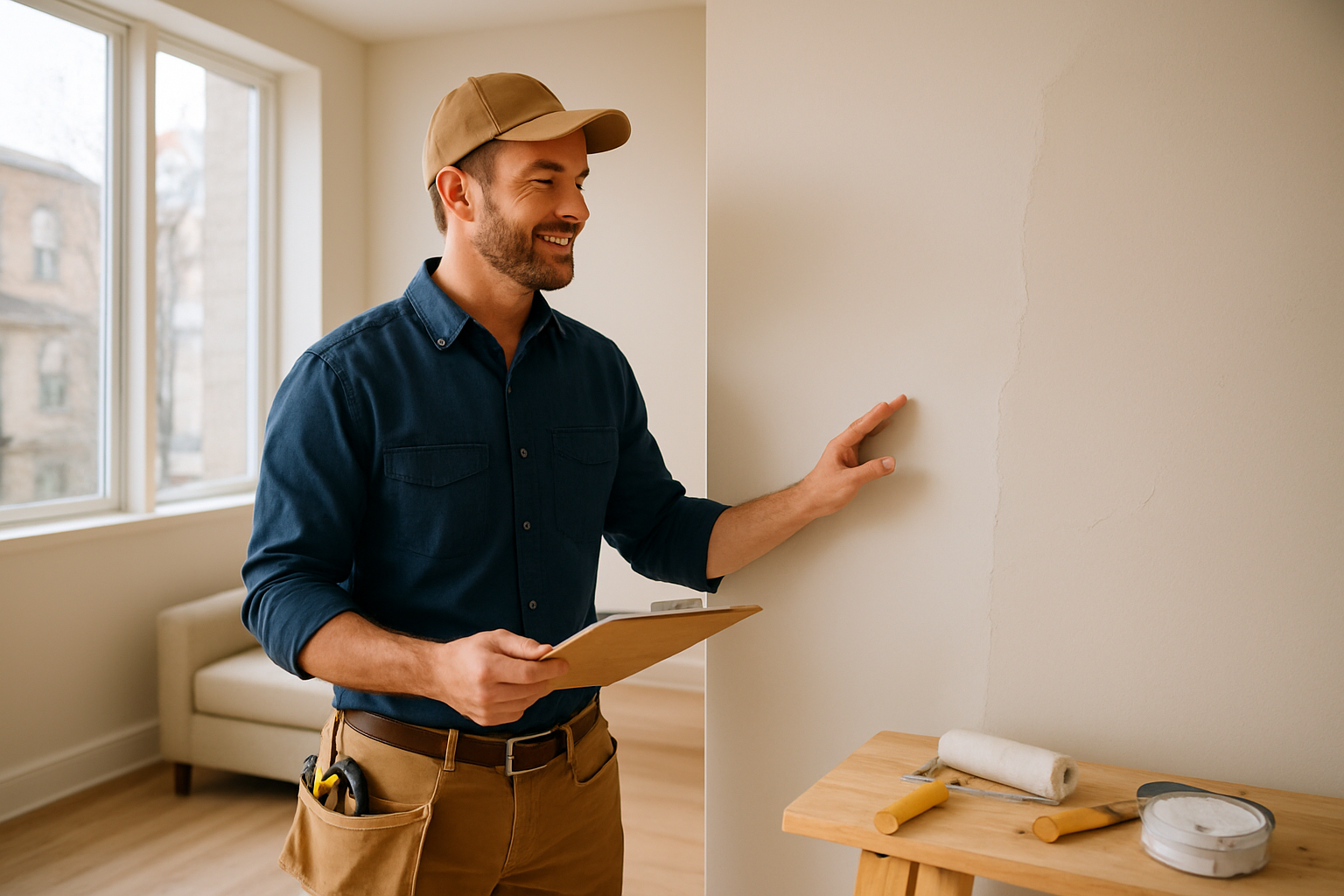
When you notice any of these nine warning signs in your Toronto home, addressing drywall issues promptly is crucial for maintaining both your property’s integrity and your family’s health. From structural damage and settling issues to water damage, paint problems, hardware failures, and daily wear accumulation, these telltale signs shouldn’t be ignored. Small problems like nail pops or minor cracks can quickly escalate into major structural concerns or health hazards like mold growth if left untreated.
Whether you choose to tackle minor repairs as a DIY project or hire qualified professionals, taking action early will save you time, money, and stress in the long run. For extensive damage or when you want seamless, professional results that blend perfectly with your existing walls, consulting experienced drywall contractors ensures your repairs are done right the first time. Your walls are the foundation of your home’s appearance – keeping them in excellent condition protects your investment and creates the beautiful living space you deserve.
Related Resources for Toronto Homeowners
Maintaining strong, damage-free walls often involves more than drywall repair. These additional services and resources can help protect your Toronto home from moisture, heat loss, and structural issues:
- Toronto insulation and home protection services
- Fireproofing in Toronto to enhance your home’s safety.
- Spray foam insulation cost calculator to estimate energy-saving upgrades.
- Blue Skin waterproofing in Toronto for moisture protection behind your walls.
- Spray Foam Kings for expert insulation and moisture solutions.
- Spray Foam Kings Google Business Profile to view reviews and contact our team.
Need Drywall Repair or Moisture Protection in Toronto?
If your walls show cracks, bubbling paint, water damage, or signs of structural stress, addressing the issue early prevents costly repairs. Our team specializes in insulation, moisture control, and home protection solutions that keep your walls strong and your home safe.
Get expert help today:
- Fast, professional inspections
- Moisture and insulation solutions that prevent future drywall damage
- Trusted Toronto service with proven results
Contact Spray Foam Kings today — your home’s protection starts behind the walls.